










La CNI presentó la “Guía para Usuarios Finales” una herramienta para una gestión más eficiente y sostenible

La CNI presentó la “Guía para Usuarios Finales” una herramienta para una gestión más eficiente y sostenible

30 de agosto de 2026
SOBOCE genera espacio de intercambio junto a autoridades gubernamentales, del municipio de Viacha y la cooperación internacional.

SOBOCE genera espacio de intercambio junto a autoridades gubernamentales, del municipio de Viacha y la cooperación internacional.

30 de agosto de 2026

SOFÍA: cierre del Módulo 2 “Listos para el Emprendimiento” de la metodología #YouthReady

30 de agosto de 2026
PIL Bolivia visita el Centro de Acopio y Reciclaje Recicbol de El Alto

PIL Bolivia visita el Centro de Acopio y Reciclaje Recicbol de El Alto

30 de agosto de 2026
BNB Art inaugura “Espacialidad: Geometría Efímera”, una instalación que transforma el espacio a través del arte y la arquitectura

BNB Art inaugura “Espacialidad: Geometría Efímera”, una instalación que transforma el espacio a través del arte y la arquitectura

30 de agosto de 2026
José Luis Camacho: “Generar confianza e impulsar la inversión e integración para el crecimiento de Bolivia”

José Luis Camacho: “Generar confianza e impulsar la inversión e integración para el crecimiento de Bolivia”

30 de agosto de 2026
CABLOCK:  Blockchain 2040, el encuentro que proyecta el futuro de la tecnología blockchain y las finanzas digitales en Bolivia

CABLOCK: Blockchain 2040, el encuentro que proyecta el futuro de la tecnología blockchain y las finanzas digitales en Bolivia

28 de agosto de 2026
Fexpo Sucre 2026: ENTEL destina USD 9,49 millones a Chuquisaca en 2026

Fexpo Sucre 2026: ENTEL destina USD 9,49 millones a Chuquisaca en 2026

28 de agosto de 2026
HUARI acompañó una nueva edición de El Chef Soy Yo

HUARI acompañó una nueva edición de El Chef Soy Yo

27 de agosto de 2026
Neurólogo boliviano publica sobre los efectos de los micro y nanoplásticos en el neurodesarrollo infantil

Neurólogo boliviano publica sobre los efectos de los micro y nanoplásticos en el neurodesarrollo infantil

27 de agosto de 2026
El Gobierno abre las puertas a la actividad minera en áreas protegidas

El Gobierno abre las puertas a la actividad minera en áreas protegidas

27 de agosto de 2026
Ciberseguridad e infraestructura para transacciones con criptomonedas

Ciberseguridad e infraestructura para transacciones con criptomonedas

27 de agosto de 2026
Ver más
infoRSE
jueves, septiembre 3, 2026
Sin resultados
View All Result
  • Inicio
  • SECCIONES
    • Agua
    • bosques
    • Cambio Climático
    • Género
    • Emprendimiento
    • ENERGÍA ELECTRICA
    • Inclusion
    • MEDIO AMBIENTE
    • Reciclaje
    • ENERGÍA RENOVABLE
    • Inclusión Financiera
    • Innovación y Tecnología
    • jóvenes
    • Niñez
    • Salud
    • EMPRESAS
  • EMPRESAS PÚBLICAS
    • Min. Medio Ambiente y Agua
  • TERCER SECTOR
  • EMPRESAS ALIADAS
    • ITACAMBA
    • COCA COLA EMBOL
      • Embol
    • CRE R.L.
    • BANCO BISA
    • Banco BNB
    • BANCOSOL
    • Banco ECOFUTURO
    • NACIONAL SEGUROS
    • BANCO ECONÓMICO
    • BAGO DE BOLIVIA
    • HUAWEI
    • FARMACORP
    • PIL BOLIVIA
    • ENTEL
    • ALICORP
    • BANCO FIE
    • SOBOCE
    • SOFIA
    • ALLATRA
    • GRI
  • MULTIMEDIA
    • infoRSE Radio
    • Video
    • Entrevistas
    • ENERGIA RENOVABLE ESPECIAL
    • ESPECIAL Industria con Impacto 2025
    • INDUSTRIAS CON IMPACTO 2025
    • Resiliencia 2020
    • RESILIENCIA2021
    • RESILIENCIA2022
    • RESILIENCIA2023
    • HISTORIAS
    • Reconocimiento a las Industrias con Impacto
    • Normas
  • OPINIÓN
    • HAROL FLORES
    • HEIVER ANDRADE
    • JAVIER ESPADA
    • RAMIRO ITURRI
    • LILIAN ARZBE
  • ALIADOS COCA-COLA
  • REPORTAJE
infoRSE
  • Inicio
  • SECCIONES
    • Agua
    • bosques
    • Cambio Climático
    • Género
    • Emprendimiento
    • ENERGÍA ELECTRICA
    • Inclusion
    • MEDIO AMBIENTE
    • Reciclaje
    • ENERGÍA RENOVABLE
    • Inclusión Financiera
    • Innovación y Tecnología
    • jóvenes
    • Niñez
    • Salud
    • EMPRESAS
  • EMPRESAS PÚBLICAS
    • Min. Medio Ambiente y Agua
  • TERCER SECTOR
  • EMPRESAS ALIADAS
    • ITACAMBA
    • COCA COLA EMBOL
      • Embol
    • CRE R.L.
    • BANCO BISA
    • Banco BNB
    • BANCOSOL
    • Banco ECOFUTURO
    • NACIONAL SEGUROS
    • BANCO ECONÓMICO
    • BAGO DE BOLIVIA
    • HUAWEI
    • FARMACORP
    • PIL BOLIVIA
    • ENTEL
    • ALICORP
    • BANCO FIE
    • SOBOCE
    • SOFIA
    • ALLATRA
    • GRI
  • MULTIMEDIA
    • infoRSE Radio
    • Video
    • Entrevistas
    • ENERGIA RENOVABLE ESPECIAL
    • ESPECIAL Industria con Impacto 2025
    • INDUSTRIAS CON IMPACTO 2025
    • Resiliencia 2020
    • RESILIENCIA2021
    • RESILIENCIA2022
    • RESILIENCIA2023
    • HISTORIAS
    • Reconocimiento a las Industrias con Impacto
    • Normas
  • OPINIÓN
    • HAROL FLORES
    • HEIVER ANDRADE
    • JAVIER ESPADA
    • RAMIRO ITURRI
    • LILIAN ARZBE
  • ALIADOS COCA-COLA
  • REPORTAJE
jueves, septiembre 3, 2026
InfoRSE
Sin resultados
View All Result

Plastocene: Where We Stand in the Age of Plastics ¿WHY IS BREATHING DIFFERENT IN 2026?

Por: Nabil Bougarech

3 de septiembre de 2026
in ALLATRA, Cambio Climático, Opinión, Sin categoría
Plastocene: Where We Stand in the Age of Plastics ¿WHY IS BREATHING DIFFERENT IN 2026?

Por: Nabil Bougarech Contributor, Applied Research & Policy Unit, ALLATRA Global Research Center, Italy

External contributor INFORSE

While reading this article, some of you may be sipping tea, chewing bubble gum, or even eating dinner. Yet all of us are doing something inevitable for being alive: breathing. In recent decades, these basic bodily functions, drinking, eating, and breathing, have developed a sinister commonality: the intake of micro- and nanoscopic fragments of plastic. Before assessing what this means for us, let’s briefly revisit how we got here.

HOW DID WE GET HERE?

Plastics are an incredibly useful and dynamic class of materials; their applications are almost innumerable, and modern civilization is heavily dependent on them. From healthcare and transportation to electronics, shipping, packaging, and food storage, these materials have transformed global production and consumption. The 1960s and 1970s saw a substantial increase in plastic use, driven by their reliability, versatility, and wide range of applications.
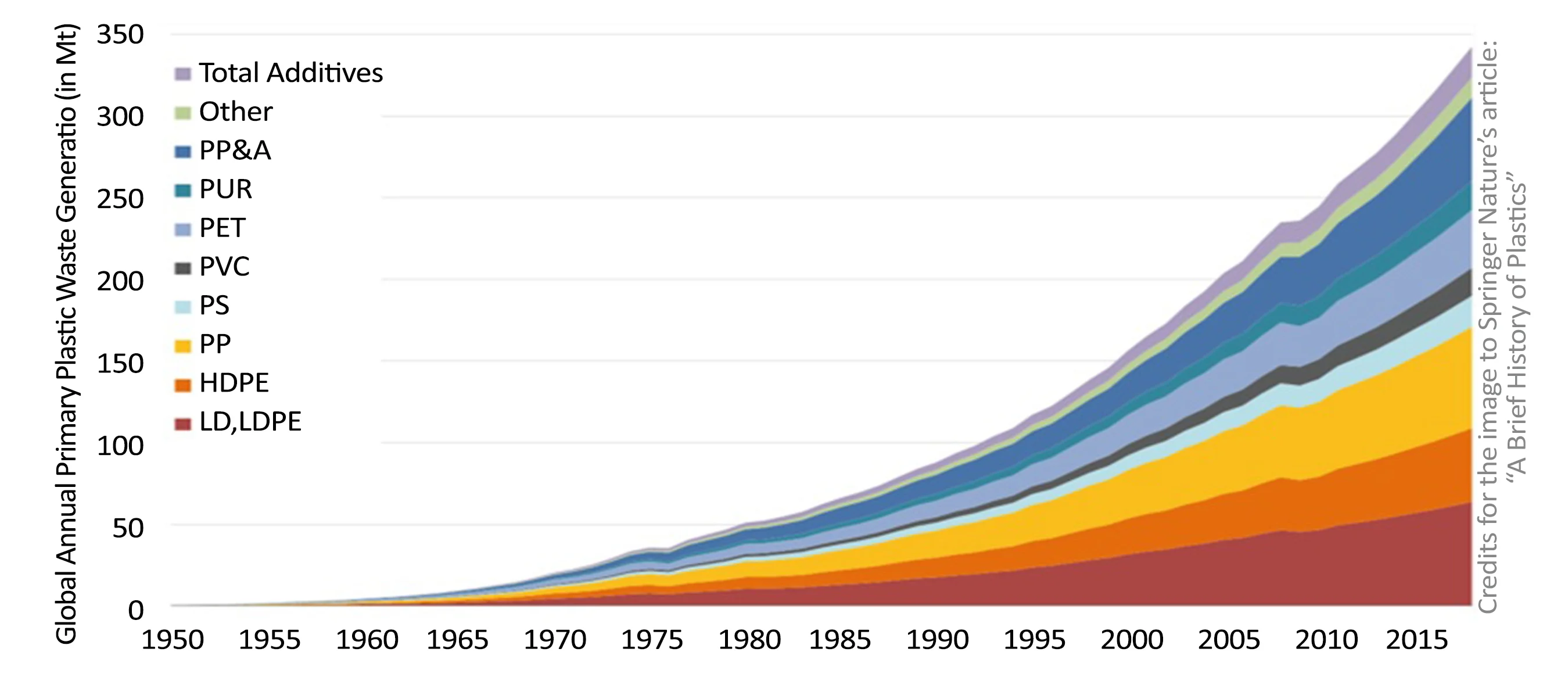
Everything seemed to be going smoothly. Plastics expanded our capabilities across science, medicine, technology, food storage, and transportation, while their extensive applications helped advance globalization and, in many respects, made our lives easier.

 THE TURNING POINT

Nevertheless, in 2004, an influential paper titled “Lost at Sea: Where Is All the Plastic?” brought the term microplastic into wider scientific use, describing smaller fragments of plastics found in aquatic environments. That moment marked a shift in perception. Since then, a growing number of studies in this field have contributed to our understanding of the potential harmful impacts of these ever-present materials on ecosystems and living organisms.

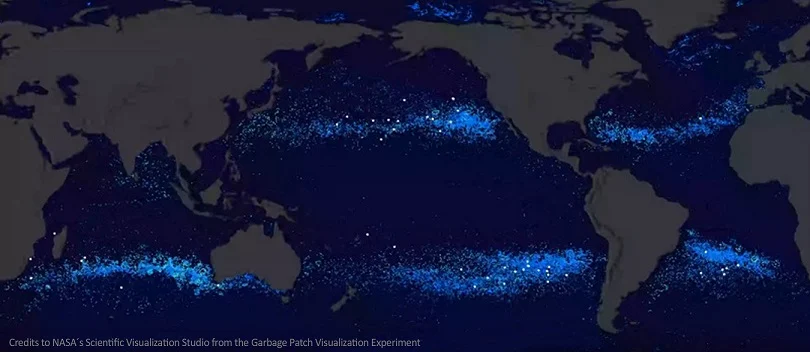
From vast garbage patches composed largely of macroscopic plastic debris to microscopic particles detected on mountain peaks, across the ocean floor, in clouds, and, most alarmingly, within our own organs, tissues, and bodily fluids, our perception of plastic has undergone a dramatic transformation: from “useful product” to “global pollutant” in just a few decades.
What’s interesting is that, beyond the macro-issues, such as waste management, recycling, single-use plastics, and overconsumption, widely discussed in the public domain, new layers of the problem have emerged concerning the physicochemical properties of micro- and nanofragments of plastic and the ways these properties influence their interactions with living organisms and ecosystems.

WHAT’S HAPPENING AT THE INVISIBLE LEVEL?

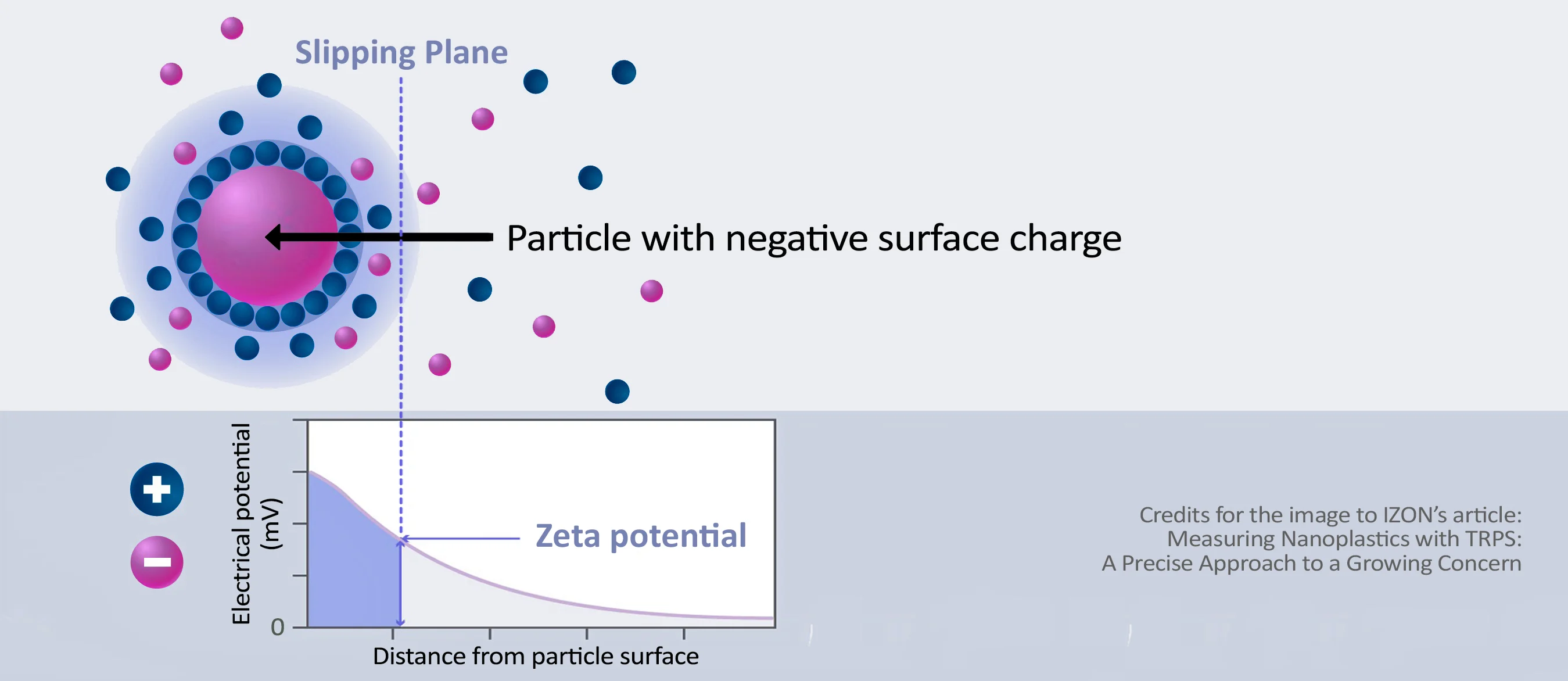
A vivid example is the atmospheric involvement of micro- and nanoplastics (MNPs) in cloud and hailstone formation, where they may act as nucleation centers around which water droplets and ice crystals can condense and freeze. Another is the growing concern about MNPs’ potential toxicity associated with chemical leaching, oxidative stress, and tissue inflammation, as well as their reported presence in the brain, reproductive system, and other vital organs. Looking deeper into the latest frontiers of research, attention is also being paid to the so-called zeta potential, a measure related to the electrical potential at a particle’s interface that may influence how MNPs interact with mitochondria, proteins, other biomolecules, and microorganisms.
A PUZZLING QUESTION

The question was a rather simple one: why does plastic become statically charged while wood doesn’t?

 Without going too deep into the chemistry, scientists have proposed that when two materials are brought into contact and then separated, as in triboelectric charging, free radicals may play a significant role in electron redistribution by “trapping” electrons and contributing to the development of a surface charge. The difference between plastics and wood is that wood contains lignin, a natural antioxidant and radical-scavenging component that can contribute to its antistatic properties. In fact, experiments in which lignin has been added to plastics have shown antistatic behavior at certain concentrations.

WHY IS THIS INTERESTING?  

The trillions of micro- and nanoplastic particles present in the air, water, soil, and even within our bodies can acquire surface charges and interact with biological and environmental systems, potentially producing effects that remain far from fully understood. The possibility that lignin and other radical-scavenging polymers may partially neutralize the surface charge of MNPs opens new pathways for environmental and healthcare research and could contribute to shaping better-informed future policies. There are many facets to this “crystal,” from reproduction and cognitive abilities to possible roles in the development of various health conditions, as well as atmospheric, oceanic, and environmental processes, and their full consequences remain far from understood.

 WHAT DO I DO ABOUT IT?

My motivation to be part of this endeavor is direct and personal: the issue of plastics crosses geographical borders, affecting people and ecosystems across the planet, so solutions can only be found through international cooperation. I have always felt drawn to systemic problems affecting large segments of the population and requiring broad thinking and a multidisciplinary approach. That’s why ALLATRA’s mission resonates with me: as an international platform, it addresses multidimensional challenges such as MNPs, rapid climate change, geodynamic risks, and human rights. As a representative of the ALLATRA Global Research Center think tank, I participate in official events and conferences as a speaker, presenting these issues and potential solutions to academics, institutions, and the general public.

WHY ALLATRA?

What resonates with me most is the multilayered nature of its work:

  • We make scientific findings accessible through scientific reports, journal reviews, documentaries, and other digital content.
  • We organize eventsthat create spaces for dialogue between scientific institutions and policymakers, encouraging civic engagement and the identification of promising directions.
  • We defend human rightsand work to prevent social division based on stereotypes, false narratives, or interreligious and interethnic grounds.

TO CONCLUDE

Humanity is facing multiple challenges at once: socio-political, health, climate, and environmental. The issue of plastics sits at the intersection of them all, but every negative can be turned into a positive if handled properly. By focusing society’s attention on pressing matters, we can foster scientific research through international collaboration and use the knowledge acquired as a lever, not only to correct our course, but also to explore exciting new developments that can benefit people and the planet as a whole.

Palabras clave: ¿WHY IS BREATHING DIFFERENT IN 2026?PlastoceneWhere We Stand in the Age of Plastics
CompartirTweetCompartirEnviar

También te puede interesar

José Luis Camacho: “Generar confianza e impulsar la inversión e integración para el crecimiento de Bolivia”

José Luis Camacho: “Generar confianza e impulsar la inversión e integración para el crecimiento de Bolivia”

30 de agosto de 2026
Fexpo Sucre 2026: ENTEL destina USD 9,49 millones a Chuquisaca en 2026

Fexpo Sucre 2026: ENTEL destina USD 9,49 millones a Chuquisaca en 2026

28 de agosto de 2026
Neurólogo boliviano publica sobre los efectos de los micro y nanoplásticos en el neurodesarrollo infantil

Neurólogo boliviano publica sobre los efectos de los micro y nanoplásticos en el neurodesarrollo infantil

27 de agosto de 2026
Investigadores muestran sus trabajos en el Congreso Científico Nacional OWSD Bolivia

Investigadores muestran sus trabajos en el Congreso Científico Nacional OWSD Bolivia

26 de agosto de 2026
Bolivia impulsa su agenda climática y de Desarrollo Sostenible en el foro regional de la NDC 3.0

Bolivia impulsa su agenda climática y de Desarrollo Sostenible en el foro regional de la NDC 3.0

26 de agosto de 2026
La NDC 3.0 ya nos dice a dónde queremos llegar

La NDC 3.0 ya nos dice a dónde queremos llegar

25 de agosto de 2026

Deja una respuesta Cancelar la respuesta

Tu dirección de correo electrónico no será publicada. Los campos obligatorios están marcados con *

Suscríbete a nuestro boletín

Hola 👋
Un placer conocerte.

Regístrate para recibir nuestro boletín, con toda la información sobre RSE en Bolivia, en tu bandeja de entrada, cada 15 días.

¡No enviamos spam! Lee nuestra política de privacidad para más información.

Revisa tu bandeja de entrada o la carpeta de spam para confirmar tu suscripción.

Más leídas

  • Treinta mujeres se gradúan como las primeras técnicas recicladoras de Bolivia

    Treinta mujeres se gradúan como las primeras técnicas recicladoras de Bolivia

    0 shares
    Compartir 0 Tweet 0
  • Plan Internacional: Embarazo en adolescentes y violencia los principales problemas que enfrentan las niñas de Bolivia

    0 shares
    Compartir 0 Tweet 0
  • Actualización del Código de Seguridad Social de Corto Plazo avanza con participación de FENCOMIN

    0 shares
    Compartir 0 Tweet 0
  • Europe’s drying river s show why climate adaptation must be a collective endeavour 

    0 shares
    Compartir 0 Tweet 0
  • Neurólogo boliviano publica sobre los efectos de los micro y nanoplásticos en el neurodesarrollo infantil

    0 shares
    Compartir 0 Tweet 0
InfoRSE

© 2010-2026 Sitio diseñado por Arcadia SRL.

Puede ver también

  • ¿Quiénes Somos?

Síganos en Redes Sociales

Sin resultados
View All Result
  • Inicio
  • SECCIONES
    • Agua
    • bosques
    • Cambio Climático
    • Género
    • Emprendimiento
    • ENERGÍA ELECTRICA
    • Inclusion
    • MEDIO AMBIENTE
    • Reciclaje
    • ENERGÍA RENOVABLE
    • Inclusión Financiera
    • Innovación y Tecnología
    • jóvenes
    • Niñez
    • Salud
    • EMPRESAS
  • EMPRESAS PÚBLICAS
    • Min. Medio Ambiente y Agua
  • TERCER SECTOR
  • EMPRESAS ALIADAS
    • ITACAMBA
    • COCA COLA EMBOL
      • Embol
    • CRE R.L.
    • BANCO BISA
    • Banco BNB
    • BANCOSOL
    • Banco ECOFUTURO
    • NACIONAL SEGUROS
    • BANCO ECONÓMICO
    • BAGO DE BOLIVIA
    • HUAWEI
    • FARMACORP
    • PIL BOLIVIA
    • ENTEL
    • ALICORP
    • BANCO FIE
    • SOBOCE
    • SOFIA
    • ALLATRA
    • GRI
  • MULTIMEDIA
    • infoRSE Radio
    • Video
    • Entrevistas
    • ENERGIA RENOVABLE ESPECIAL
    • ESPECIAL Industria con Impacto 2025
    • INDUSTRIAS CON IMPACTO 2025
    • Resiliencia 2020
    • RESILIENCIA2021
    • RESILIENCIA2022
    • RESILIENCIA2023
    • HISTORIAS
    • Reconocimiento a las Industrias con Impacto
    • Normas
  • OPINIÓN
    • HAROL FLORES
    • HEIVER ANDRADE
    • JAVIER ESPADA
    • RAMIRO ITURRI
    • LILIAN ARZBE
  • ALIADOS COCA-COLA
  • REPORTAJE

© 2010-2026 Sitio diseñado por Arcadia SRL.